
Influential Books (Part 3: Teenage Years)
Today’s post is the third post in a series of posts that include some books that have influenced me in some way at different stages in my life. Tell me what you’d add, then see today’s writing prompt.

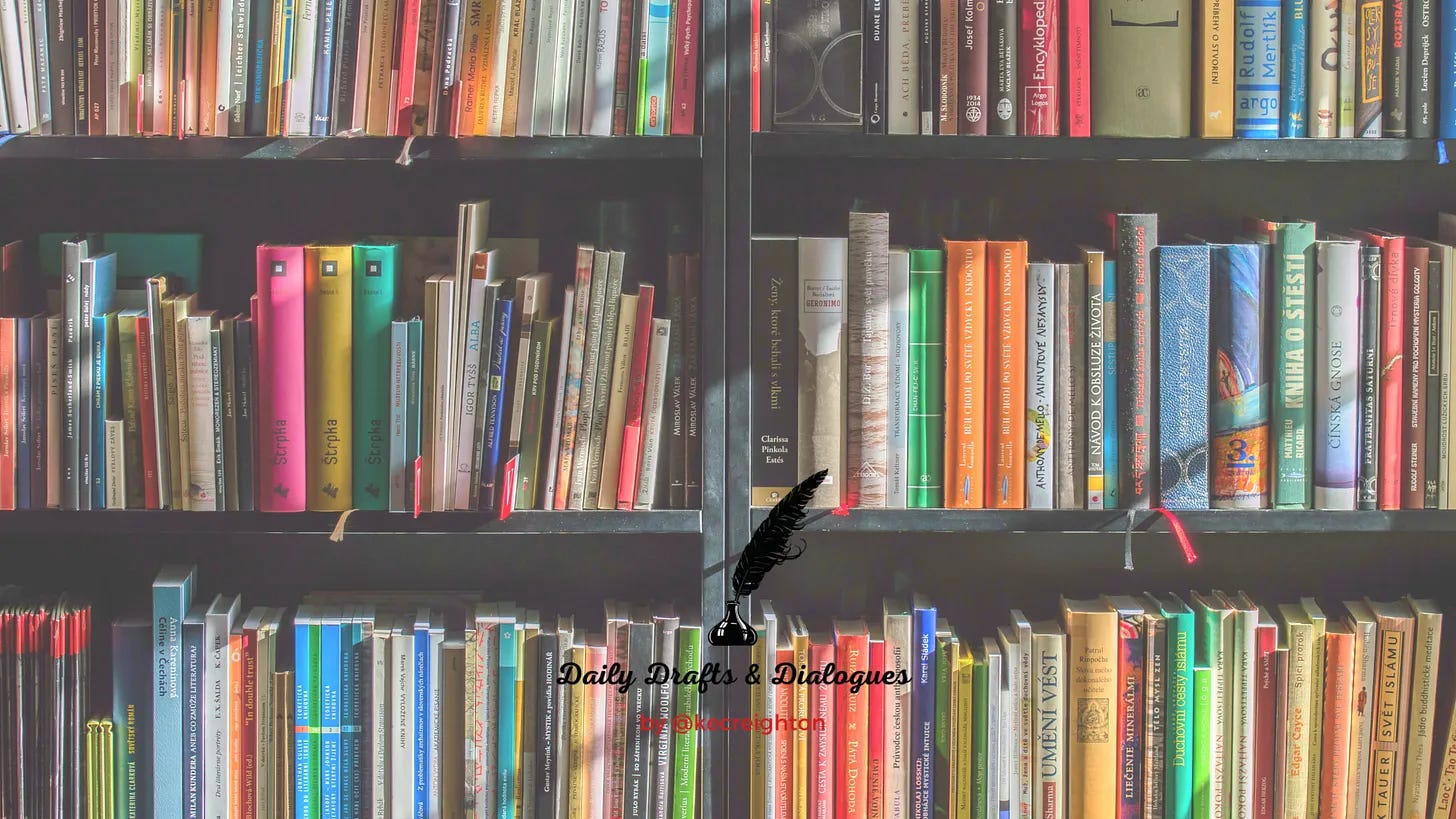
It’s been a while since I shared Influential Books (Part 1: Childhood) and Influential Books (Part 2: Adolescence), so here’s a quick recap of what’s included on those lists, though you’ll want to check out each post to see my notes regarding why and how they made it onto those lists.
Influential Books (Childhood)
Where the Wild Things Are by Maurice Sendak
The Very Hungry Caterpillar by Eric Carle
Come Back, Amelia Bedelia by Peggy Parish and Wallace Tripp
The Cat in the Hat by Dr. Seuss
Charlotte’s Web by E.B. White
The Magic School Bus: On the Ocean Floor by Joanna Cole and Bruce Degen
Curious George by H.A. Rey
The Little Engine That Could by Watty Piper
Clifford the Big Red Dog by Norman Bridwell
Madeline by Ludwig Bemelmans
The Chronicles of Narnia by C.S. Lewis
Influential Books (Adolescence)
Matilda by Roald Dahl
Beezus and Ramona by Beverly Cleary
Sideways Stories from Wayside School by Louis Sachar
Where the Sidewalk Ends by Shel Silverstein
Scary Stories to Tell in the Dark by Alvin Schwartz
It’s Not the End of the World by Judy Blume
Haunted by R.L. Stine, and the Fear Street series
The Hidden Staircase by Carolyn Keene, and the Nancy Drew series
To Kill A Mockingbird by Harper Lee
Jane Eyre by Charlotte Brontë
Pride and Prejudice by Jane Austen
The Client by John Grisham
On Writing: A Memoir of the Craft by Stephen King
Today’s post will add to those lists above and include a not-so-comprehensive list of some books I read when I was a teenager that stuck with me over the years. Most of them were read while I was in junior high and high school. What books would you add to this list?
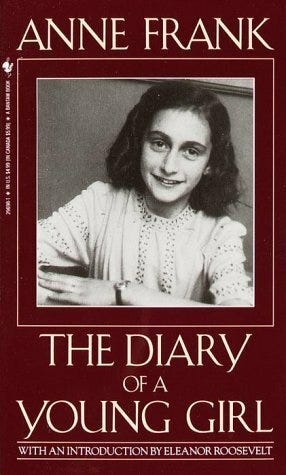
The Diary of a Young Girl by Anne Frank made me understand that war is always personal and that everyone is affected by it in one way or another eventually, especially families who want to stay together and are simply trying to survive. It also made me understand how critical journaling can be for mental health and maintaining accurate historical records, and that anyone of any age can have something valuable and important to add.
Annabel Lee by Edgar Allen Poe was one of the first poems I had to analyze in school, and it taught me a lot about the power of poetry and how it can do so much more than rhyme and express passion and love, though it does often do all that. It also introduced me to the value of reading as much information as you can about authors and their lives, to offer literary context and, in Poe’s case, intrigue and entertainment. (Seriously, if you are even remotely interested in Poe and his work, I would recommend reading A Mystery of Mysteries: The Death and Life of Edgar Allan Poe by Mark Dawidziak, to start.)
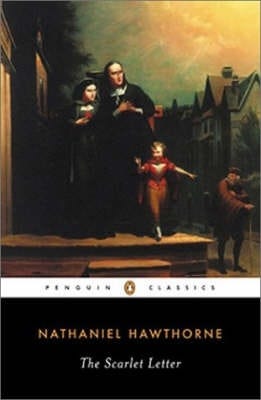
The Scarlet Letter by Nathaniel Hawthorne birthed the budding feminist in me. I had a lot to say about this book as a youth. It also introduced me to literature about bigotry, persecution, obsession, and hypocrisy in early American society. It offered real insight into what life was like in early America, especially for women. And it made me more interested in reading literature about religious hypocrisy and women.
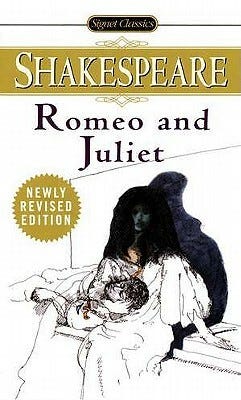
Romeo and Juliet by Shakespeare was an obsession of mine when the 1996 film came out and included the original text and dialogue from the play. Seeing Shakespeare’s work in action, in a contemporary setting I more or less related to, was life-changing for me. I read this play and watched the film so many times during this period in my life that I could recite most of the play from memory. I developed a deep admiration for Elizabethan drama because of this film and play and went on to study both Shakespeare and Elizabethan drama more in depth in college and beyond because of this experience.
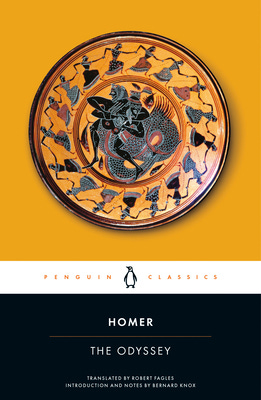
The Odyssey by Homer taught me the value of reading editorial footnotes for context, and further ignited the budding feminist in me. I was so annoyed that women were omitted or vilified in one way or another in this work, and that they never seemed to be in motion or able to explore. The men, especially Odysseus, were insufferable, petty, and seemed incapable of making common sense or wise decisions in so many ways… I could go on and on. But more than anything, reading this work taught me that Classics can and should irritate you, and that they’re worth criticising through a contemporary lens, or criticizing at all. It made me better understand WHO determines what should be denoted as a Classic, and that it doesn’t always have to do with it being (fill in your desired adjective here), or worth idolizing.
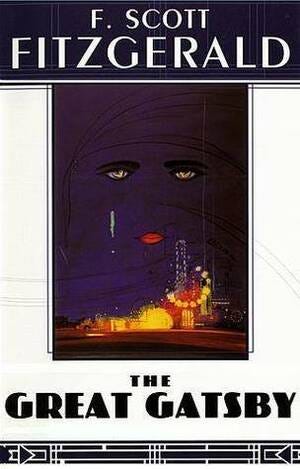
The Great Gatsby by F. Scott Fitzgerald is another work I was not a fan of, as every single character in it was insufferable and unrelatable, and I did not care about its message regarding the supposed decay of society during the Jazz Age from the perspective of a well-known elitist and literary thief, Fitzgerald. I especially couldn’t stand how Daisy was depicted. And I thought it was incredibly boring. I think my loathing for this book also stems from the fact that I had to read it at every single high school I attended (I attended three), and always had to talk about the stupid green light at the end of the novel, which was just lazy symbolism on the author’s part, in my opinion.
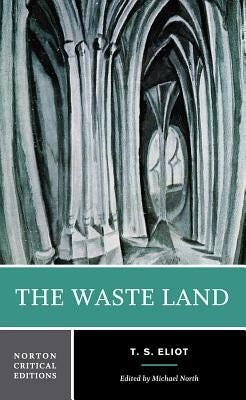
The Wasteland by T.S. Eliot was a work that encouraged me to experiment with different poetic forms and understand different literary techniques. It also taught me various ways poetry can have its own aesthetic and portray something beyond simple rhyme and meter. However, I must confess that I don’t remember much about the content of the work itself, aside from the fact that it was depressing and prompted me to write a depressing poem which in turn prompted my teacher to ask me to see her after class because it was, well… depressing.
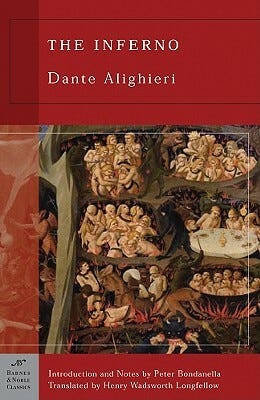
The Inferno by Dante Alighieri taught me how literary works can make lasting political statements that supersede time and space and leave such vivid impressions on people’s imaginations that they inspire artwork and cultural understandings of things as abstract as heaven and hell for centuries. Learning that our cultural conceptions of hell, depicted via hundreds of paintings and artwork for centuries, were directly inspired by The Inferno, forever altered how I viewed the power of literature. Alighieri’s masterpiece, La Divina Commedia, was so much more than a piece of literature, as it inspired multiple cultural, political, literary, and religious movements, for centuries.
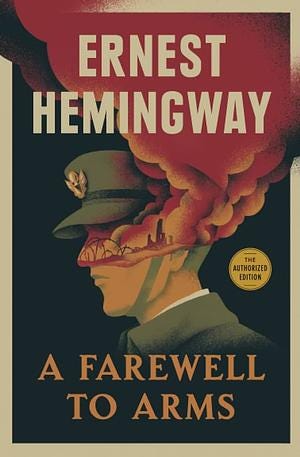
A Farewell to Arms by Ernest Hemingway taught me a lot about what a short, simple sentence could do, and the era of what I would like to call ‘literary machismo,’ which still lingers today. It made me see why so many aspiring male authors fawned over Hemingway, and also offered a unique and interesting perspective of The Great War. It was the first Classic I read that was approachable, simple to understand, and written in a more popular and straightforward vernacular.
The Bluest Eye by Toni Morrison is a book that shook me to my core in a way that I will never forget. After I read this book, I understood more fully the profound effects of racism in America, and its horrific and tragic legacy. It also made me fall in love with literature and what literature could do. After I read this book, all I wanted to do was read more literature, especially by women and people who had diverse perspectives to offer. Morrison’s prose in this novel intellectually stimulated me and gut punched me while hugging me at the same time, and I have been chasing that feeling every time I read something new ever since.
I plan to share posts with more books that influenced and affected me during the later stages of my life in the future. Stay tuned!
For now, however, tell me: What books have stayed with you since your teenage years? Leave a comment to join this dialogue, then share this post with others so they can join this dialogue too. Thanks!
© This work is not available for artificial intelligence (AI) training. All Rights Reserved by K.E. Creighton; Creighton’s Compositions LLC.
Want to express your appreciation for this post and writing prompt?
My writing and I are fueled by loyal readers, caffeine, and kind words, so I appreciate any support you can offer that keeps me writing. Thank you so much!
Today’s Writing Prompt
Writing Prompt: Teenage Angst
Write a piece of flash fiction, or a journal entry, about teenage angst.
Writing Tip:
Consider the feelings you want to convey and the imagery you want to include in this piece of writing before you start writing it. Try to use literary devices like metaphors and symbolism if possible.


